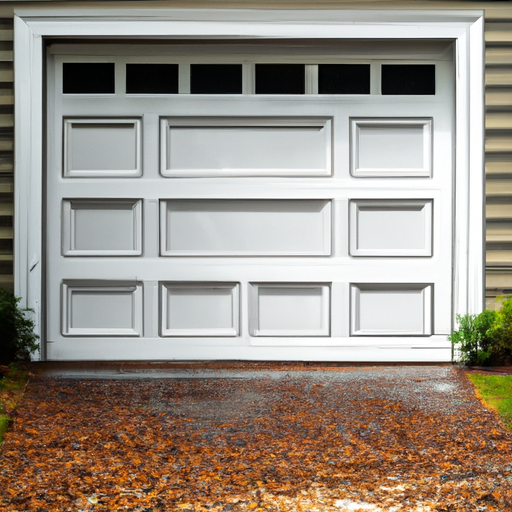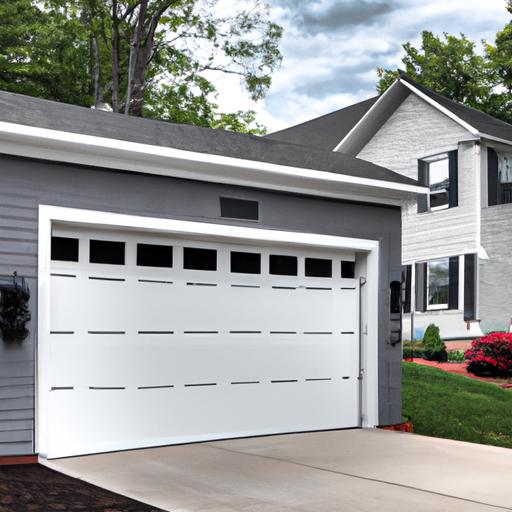
Homeowners in Hanover, MA rely on smart garage systems for secure, convenient access to their property. This guide focuses on practical troubleshooting steps for common problems with connected openers, sensors, and app integrations so you can diagnose issues before calling a technician.
Quick checklist: Is it the system or the network?
Before you dive into hardware checks, run a quick checklist. Many issues labeled as smart garage systems failures are actually network or power problems.
- Power: Is the garage opener plugged in and receiving power? Check the breaker.
- Wi‑Fi: Does your phone have internet in the garage? Test the signal strength near the opener.
- App status: Is the manufacturer reporting outages in their app or status page?
- Battery: Are remote and sensor batteries fresh?
If those basics are fine, move on to targeted fixes below. For deeper reading and seasonal tips check our blog for articles on winter care and integration best practices.
Common fault: Door won’t respond to app or voice
A non-responsive smart garage system often points to connectivity or account issues rather than the opener itself. Follow these steps in order:
- Restart the hub or opener by unplugging power for 30 seconds, then plug back in.
- Confirm Wi‑Fi credentials: if you recently changed your home password, update credentials in the smart app.
- Firmware and app updates: install any pending updates for the opener and mobile app.
- Check account login: some systems log out after password changes or multi‑factor prompts.
- Test voice assistants: unlink and relink the skill or integration if voice commands fail.
When these steps don’t restore function, the issue may be a failing Wi‑Fi module inside the opener or a bad relay. For safe electrical diagnosis and replacement call a trained technician listed on our services page.
Safety sensor and reversing problems
Modern garage doors have photoelectric sensors to prevent crushing hazards. If the door closes and then reverses, or won’t close at all, check these:
- Alignment: Clean the lenses and ensure sensors are aligned. A small bump can knock them out of position.
- Obstructions: Remove debris, snow, or salt buildup from the sensor zone.
- Wiring: Inspect visible wiring for wear or rodent damage. Avoid touching wires while power is live.
- LED indicators: Most sensors have LEDs—both should be steady for normal operation; blinking often signals a problem.
If sensors look fine but the door still misbehaves, a limit switch or motor setting may need adjustment. These are safer for a pro to handle.
Strange noises, slow movement, or jerky operation
Mechanical noise and inconsistent travel often point to hardware wear rather than the smart component. Key checks:
- Lubrication: Rollers, hinges, and springs require periodic lubrication with a garage‑grade lubricant (not WD‑40).
- Rollers and tracks: Look for bent tracks, worn rollers, or debris inhibiting travel.
- Spring tension: Broken or weak springs cause slow or unbalanced movement—do not try to adjust springs yourself.
- Door balance: Disconnect the opener and manually lift the door halfway. It should hold steady; if not, springs likely need service.
Smart upgrades don’t prevent mechanical wear. Routine maintenance protects both the physical door and the electronics that control it.
Intermittent connectivity in cold weather
Hanover winters can reveal weaknesses in smart garage systems. Cold temperatures affect batteries, plastics, and Wi‑Fi signal.
- Battery performance: Remote and sensor batteries drop voltage in the cold—replace with fresh batteries rated for low temperatures.
- Condensation: Temperature swings can cause moisture on circuit boards; ensure the opener housing is intact and dry.
- Signal strength: Insulate or relocate your router or add a mesh node to improve coverage in the garage.
- Material stiffness: Rollers and seals can stiffen; inspect for cracked weatherstripping or frozen tracks.
Seasonal checks before freezing temperatures are a practical home improvement step to protect both door mechanics and smart integrations.
App shows errors or device offline
Error codes vary by manufacturer, but common actions work across platforms:
- Take a screenshot of the error and note the code—this speeds diagnosis with support or a technician.
- Power‑cycle both the opener and the home router to clear transient network errors.
- Re-add the device in the mobile app as a last resort; this resets the link between account and hardware.
- Factory reset: only after backups—resetting deletes schedules and favorites stored in the device.
If your smart garage systems MA setup uses a third‑party hub, check compatibility notes—some updates break integrations temporarily.
When to repair vs replace
Deciding whether to repair an older opener or invest in a new smart garage systems upgrade depends on age, warranty, and feature needs.
- Age: Openers older than 12–15 years often benefit from replacement for improved safety and smart features.
- Cost: If repair costs exceed 40% of replacement, newer units may be more cost‑effective and include warranties.
- Smart features: If you want secure remote access, activity logs, or battery backups, a new smart opener may be the right home improvement project.
- Warranty: Check manufacturer and installer warranties—some parts may be covered for several years.
For a clear assessment or quote schedule an evaluation through our contact page and we’ll advise based on your door model and local codes.
Quick maintenance plan for Hanover homeowners
Keep your smart garage systems reliable with a simple quarterly checklist:
- Test safety reversal and sensors.
- Check and replace batteries in remotes and sensors as needed.
- Inspect door balance and lubricate moving parts.
- Update opener firmware and app software.
- Verify Wi‑Fi coverage and move or add a node if the signal drops in the garage.
Small, regular maintenance steps prevent many emergency calls and extend the life of both garage doors and smart controllers.
Smart garage systems ma troubleshooting common issues guide — final notes
This guide covers the typical faults homeowners see in smart garage systems: connectivity, sensors, mechanical wear, and weather impacts. Use the steps above to diagnose safely and document errors before calling for professional service. Routine maintenance is the simplest way to avoid costly failures.
If you prefer a professional inspection or need parts and warranty repairs, our local technicians are available to help. We provide residential service, safety checks, and upgrades to bring older openers into modern smart systems. Learn more about what we offer on our services page and schedule a visit through our contact form.
Frequently Asked Questions — Hanover, MA
Q: How does cold Hanover weather affect my smart garage system?
A: Low temperatures reduce battery capacity in remotes and sensors and can stiffen rollers and seals. Replace batteries with low‑temperature rated cells, keep the opener housing dry, and run seasonal checks before freezing weather.
Q: How long will a typical repair take in the Hanover area?
A: Minor fixes (sensor alignment, battery replacement, firmware updates) usually take 30–90 minutes. Mechanical repairs or spring work can take 2–4 hours depending on parts. We recommend scheduling a same‑day assessment if there are safety concerns.
Q: What price range should I expect for smart opener repairs or upgrades?
A: Simple repairs and parts (sensors, remotes) often run $75–$250. Motor or board replacements vary $300–$600. New smart opener systems typically range $600–$1,200 installed, depending on features and door size. Exact pricing depends on inspection and parts.
Q: Are there permits or codes in Hanover for garage door work?
A: Most residential repairs do not require permits, but full opener replacements or structural changes can. Our technicians are familiar with local Hanover and Plymouth County requirements and will advise when permits are needed.
Q: What warranty coverage should I expect for smart garage systems?
A: Manufacturers often provide parts warranties (1–5 years) and some offer extended warranties for electronics. Installer warranties vary—ask for written terms. Keep your receipt and model number for warranty claims.
Helpful local resources in Hanover, MA
- Garage Door Repair Boston
- Garage Door Repair Cambridge
- Garage Door Repair Newton
- Garage Door Repair Lexington
- Garage Door Repair Wellesley
- Garage Door Repair Brookline
- Garage Door Repair Somerville
- Garage Door Repair Burlington
- Garage Door Repair Andover
- Garage Door Repair Weston
- Garage Door Repair Belmont
- Garage Door Repair Westwood
- Garage Door Repair Sharon
- Garage Door Repair Needham
- Garage Door Repair Concord
- Garage Door Repair Hingham
- Garage Door Repair Scituate
- Garage Door Repair Marblehead
- Garage Door Repair Natick
- Garage Door Repair Milton
- Garage Door Repair Acton
- Garage Door Repair Medfield
- Garage Door Repair Sudbury
- Garage Door Repair Wayland
- Garage Door Repair Hanover
- Garage Door Repair Tewksbury
- Garage Door Repair Carlisle
- Garage Door Repair Dover
- Garage Door Repair Hopkinton
- Garage Door Repair Framingham